
6 Best Home Espresso Machines by Type
6 Best Home Espresso Machines by Type
If you're not sure which home espresso machine to buy, the clearest path is to split your options into three types — fully automatic, semi-automatic, and capsule — then narrow down to the machine that fits how you actually live. Chasing specs rarely helps. Start instead with two questions: how much time can you spare in the morning, and how much do you want to control your latte?
Choosing a home espresso machine gets much simpler once you divide your options by type. Fully automatic, semi-automatic, and capsule machines each suit a different kind of person — narrowing to the right type first cuts the field from overwhelming to manageable. Chasing specs rarely helps. Start instead with two questions: how much time can you spare in the morning, and how much control do you actually want over your latte?
The benchmark that matters under the hood is ~9 bars of extraction pressure at 92–96°C — and from there, heating method, milk system, footprint, maintenance, and warranty shape the daily experience. I use a fully automatic on weekdays and a semi-automatic on weekends, and the difference in warmup speed, cleanup effort, and foam quality genuinely changes how the morning flows.
This guide works through the three most common beginner sticking points — "it won't fit," "it's too hard to clean," "the latte is harder than I expected" — and walks through six specific machines: the De'Longhi Magnifica S, Magnifica Evo, Magnifica Start, Dedica Arte, Solis Barista Gran Gusto SK1014, and Nespresso Essenza Mini. Rather than jumping straight to a high-end purchase, finding your type first is the move that avoids regret.
Why choosing by type is the lowest-risk approach with home espresso machines
Each type suits a different kind of user
The reason to lead with machine type is that the daily operation and your relationship with milk vary enormously between categories — more so than flavor potential. Publications like ELLE's espresso roundup and Esquire's buying guide reach broadly similar conclusions: fully automatic = convenience, semi-automatic = hands-on extraction and latte crafting, capsule = minimum effort and counter footprint.
Fully automatic machines shine by keeping your morning routine intact. Grinding, dosing, extracting, and cleaning happen without you managing each step. The De'Longhi Magnifica S ECAM22112, Magnifica Evo ECAM29081XTB, and Magnifica Start (ECAM22 series) all live here — they're strong choices for anyone who wants to build an espresso habit without a learning curve. The flavor ceiling is lower than semi-automatic, but the everyday satisfaction is real, especially when you're pressed for time.
Semi-automatics are for people who want to be part of making the cup. Dosing, tamping, reading the extraction, stretching the milk — all of that is on you, and flavor chasing becomes genuinely fun. If you're thinking about latte art, manual steam gives you more precision over foam texture than any automatic system. The extraction target is generally 90–96°C and ~9 bars, but the whole point of a semi-automatic is learning to hit that mark yourself. People who care about beans tend to thrive with this type.
Capsule machines prioritize operational simplicity over everything else. Something like the Nespresso Essenza Mini takes up almost no counter space, and with espresso at ~40 mL and lungo at ~110 mL as your only decisions, the morning cup is never complicated. There's no bean selection or grind management — think of it as a tool for keeping espresso in your life, not a platform for exploring it.
Footprint is worth taking seriously. I've placed several narrow semi-automatics side by side at home and found they feel smaller in person than the dimensions suggest — they sit comfortably alongside a toaster and kettle without crowding the view. That said, pulling two lattes back-to-back for guests exposes the wait between extraction and steaming, and the warmup in between. Convenience, craftsmanship, and counter efficiency are genuine trade-offs.

自宅で本格的なエスプレッソを! 家庭用エスプレッソマシンおすすめ18選
キッチンで場所を取らない"小型マシン"を中心にセレクト!
www.elle.comThe six machines and how they were selected
All six machines here are widely available, with reasonable local support and accessible spare parts. The fully automatic picks are the De'Longhi Magnifica S ECAM22112, Magnifica Evo ECAM29081XTB, and Magnifica Start (ECAM22 series). The semi-automatic picks are the Dedica Arte EC885J and the Solis Barista Gran Gusto SK1014. The capsule machine is the Nespresso Essenza Mini. The De'Longhi-heavy lineup reflects their dominance in the Japanese market and the ease of comparing their models head-to-head.
Selection focused on type representation, footprint, milk capability, and realistic daily usability. Among the three fully automatics, all share the "bean-to-cup automatically" premise but have distinct personalities. The Magnifica S ECAM22112 measures 238 × 350 × 430 mm and is the benchmark entry model — listed at around 56,448 yen (~$376 USD) on price-tracking sites. The Magnifica Evo ECAM29081XTB at 240 × 360 × 445 mm adds LatteCrema and six menu options for a premium that reflects the automatic milk convenience, listed at around 114,638 yen (~$764 USD). The Magnifica Start ECAM22062 sits at 240 × 350 × 440 mm with prices around 84,800 yen (~$565 USD) — a natural middle ground between the two.
The two semi-automatics approach "making it by hand" differently. The Dedica Arte EC885J's ~15 cm width is its defining feature. The 1.0 L tank holds roughly 25 shots' worth of water in espresso terms — closer to 15–20 when lattes are your main drink, since steaming uses water too. Listed at around 44,794 yen (~$299 USD), the slimness delivers on a genuinely tight counter.
The Solis Barista Gran Gusto SK1014 specs out at W25.0 × H32.5 × D28.0 cm, ~6.4 kg, a ~1.7 L tank, and a 58mm portafilter — a serious home machine by any measure. Listed at around 42,800 yen (~$285 USD), its thermoblock heats quickly enough for weekday mornings. The 1.7 L tank covers roughly 40–42 shots before a refill, which matters when you're pulling drinks for multiple people. The 58mm portafilter opens up both extraction consistency and the fun of choosing compatible accessories.
The Nespresso Essenza Mini is the most "home appliance" of the six — purpose-built for someone who wants espresso in their life without thinking about it. Espresso at ~40 mL and lungo at ~110 mL are the only choices. Pricing wasn't confirmed at time of writing, but the role is clear: it's for someone who wants espresso as a daily habit first, and flavor exploration later (or never).
Since prices and specs shift frequently, this guide relies on verified official sources and major retailer listings at time of writing. The ECAM22 series has meaningful model-to-model differences, so treating "Magnifica Start" as a single product when comparing can give you a blurry picture. The finer differences within De'Longhi's lineup are broken out in the comparison section below.
The short version: which machine fits your situation
For most people, the cleaner entry point isn't reading every spec — it's figuring out where in your day the machine will live.
If mornings are the priority, fully automatic is the simple answer. The Magnifica S ECAM22112, Magnifica Evo ECAM29081XTB, and Magnifica Start (ECAM22 series) all work. Within that group: the Magnifica S is the baseline for anyone new to fully automatic; the Evo makes sense if you want lattes on autopilot; the Start works well if you want something between those two in price and features. The common thread is button-driven operation — it's right for anyone who doesn't want to add steps to the morning.
If latte art or flavor control is on your list, the two semi-automatics are where to look. The Dedica Arte EC885J fits a narrow kitchen and makes a good first semi-automatic. The Solis Barista Gran Gusto SK1014 offers the 58mm portafilter and 1.7 L tank headroom for anyone who wants to practice extraction and steaming properly. The SK1014 is better for pushing flavor; the Dedica is better for a low-friction entry.
For minimal footprint and minimal effort, the Nespresso Essenza Mini is the fastest path. It works on a counter or a desk, keeps extraction decisions simple, and is the easiest machine to stick with long-term. The flavor range is narrower than the others, but "easy to maintain the habit" is real value in itself.
💡 Tip
When you're stuck, try these three prompts: "I want my morning cup faster," "I want to craft lattes on weekends," "I need to maximize counter space." Each one points directly to a subset of the six machines. Starting from your actual life rather than the spec sheet cuts the decision down fast.
Six things to check before you buy
The most common source of regret with home espresso machines isn't flavor — it's "it doesn't fit," "it's a pain to clean," or "the latte is harder than I expected." Spec sheets pull your attention toward extraction pressure and feature counts, but whether you can use the machine in a few minutes on a weekday morning, keep it clean without drama, and actually stick with milk drinks — those factors shape satisfaction far more. Here are the six decision points that prevent the most common mistakes.
- Extraction pressure (~9 bars) and what "maximum pressure" actually means
The target for espresso is ~9 bars during extraction — that's the number to keep in mind. The figures you'll see prominently on product pages — "15 bar," "19 bar" — describe peak pump capacity, not what's actually happening as coffee flows into your cup.
Take the Solis Barista Gran Gusto SK1014: rated at 15 bars by the manufacturer, but the more relevant detail is the 58mm portafilter, which makes it easier to build a consistent puck and reliable extraction. Comparing machines by their advertised pressure ceiling will lead you astray — what actually shapes the cup is whether the machine produces consistent, stable extraction, not whether the maximum number is impressive. A thick Crema alone doesn't tell you much; what you want is Bitterness staying in proportion, with Sweetness and aroma showing up together.
- Extraction temperature (90–96°C / 92–96°C) and thermal stability
Temperature is espresso's other axis. The practical range is 90–96°C, with 92–96°C being the sweet spot for balance. Too low and Acidity gets sharp; too high and Bitterness and astringency push forward. A two-degree swing can mean the difference between red-fruit brightness and caramel Sweetness from the same beans on different days.
The question isn't just "what temperature can it reach" — it's whether it holds that temperature consistently. A machine where the first shot is good but the second wanders makes it nearly impossible to dial in beans or grind. PID control, in plain terms, is a system that reduces temperature drift and keeps the machine close to its target. For semi-automatic users trying to refine a recipe, stable temperature matters more than the peak number.
The Solis SK1014 uses a thermoblock rated at 90–92°C extraction temperature — a good match for quick weekday use. That said, for home machines, the more useful question is "does the cup taste consistent when I pull two shots in a row?" rather than "what's the rated temperature?" Espresso's small volume means minor thermal variation shows up directly in the cup.
- Heating system
The heating system doesn't get much attention in product listings, but it has a real effect on the morning routine. The two main categories in home machines are single boiler and thermoblock/thermocoil.
Single boilers are mechanically straightforward and common in machines that switch between extraction and steaming. The trade-off is warmup time — some take close to 10 minutes to reach temperature — and there's a wait between pulling a shot and steaming milk.
Thermoblock systems heat on demand, which typically means being ready to extract in 2–3 minutes. The Solis SK1014 is in this camp, and it makes a real difference: the gap between "turn on" and "pour" is short enough that the machine feels like it belongs in a busy morning rather than requiring its own time slot. Two or three minutes isn't long in absolute terms, but it shifts the decision from "do I have time to make coffee?" to "yes, I have time."
That said, speed isn't the whole story with semi-automatics. Some of the pleasure is in the process. My experience: thermoblock machines earn their place on weekdays, and a slower semi-automatic ritual earns its place on weekends. It's less about which is better and more about where coffee fits in your day.
- Milk system (automatic vs. manual) and latte art potential
If you drink lattes or cappuccinos regularly, the milk system shapes satisfaction more than almost anything else. Fully automatic milk — like the De'Longhi Magnifica Evo ECAM29081XTB — is excellent for busy mornings; one button delivers a consistent milk drink without any technique required.
Automatic systems do have a catch: more to clean. Milk paths, containers, and auto-rinsing components all need attention, and "I want lattes but not more washing up" is a tension that catches people off guard. If you underestimate the cleaning overhead, even a convenient machine starts collecting dust.
For latte art, manual steam is meaningfully better. Semi-automatics like the Dedica Arte EC885J and Solis SK1014 let you adjust air intake and milk rolling in real time, which means you can produce both thinner, flowing microfoam and denser foam depending on what you're making. Automatic steam is consistent and forgiving; manual steam gives you range. If you want to work toward pouring hearts and tulips reliably, a manual machine with room to improve beats a smart automatic — you need to develop the skill, and you can only do that with something that responds to your adjustments.
The right question isn't "does it have a milk system?" but "how much do I want to automate, and do I actually enjoy finishing the foam myself?"
- Footprint, weight, cup clearance, and cord length
Placement is one of the most underestimated parts of this decision. Beyond width × depth × height, you need to think about whether you can top-fill from above, whether there's clearance behind the machine for ventilation, and whether cups come in and out comfortably. Fully automatics have presence — the Magnifica S ECAM22112 is 238 × 350 × 430 mm, the Magnifica Evo ECAM29081XTB is 240 × 360 × 445 mm. Depths in the 40+ cm range push further off the counter than the number implies once the machine is actually in place.
Among semi-automatics, the Dedica Arte EC885J's ~15 cm width is its headline feature. In a kitchen with limited horizontal space, the difference between 15 cm and 25 cm is not subtle. The Solis SK1014 at W25.0 × H32.5 × D28.0 cm, ~6.4 kg, is a plant-it-and-use-it machine rather than something you move casually. It has excellent stability, but it doesn't belong in a cabinet.
The SK1014's cord is ~1.15 m, which can limit placement options if your outlet is more than arm's length away. Cup clearance isn't always published, but it matters — whether you're pulling into a tall latte glass or a demitasse changes what you need. I think about this section as: "will I be frustrated every morning before the machine is even on?" A machine wedged into a tight spot drains enthusiasm before the first shot.
- Cleaning, descaling, and warranty / service support
The gap between machines becomes clearest after you've been using them a while. Coffee grounds, milk residue, and mineral scale from tap water all accumulate, and ignoring them affects both flavor and machine function. Descaling in particular tends to be postponed — but scale quietly degrades the heating system and water flow. A daily-use machine maintained well will outperform a neglected higher-end one.
Fully automatics with self-cleaning programs reduce daily friction, but milk-capable models add cleaning steps back in. The Magnifica Evo's automatic milk feature is a genuine convenience — but so is the added cleaning that comes with it. Semi-automatics have fewer moving parts, and the cleaning sequence around the portafilter and steam wand tends to become natural faster. Whether that's easier overall is personal: do you prefer one-button convenience with more to wash, or simpler parts with more manual steps?
For long-term ownership, warranty coverage and repair access matter. Brands with established Japanese support networks — parts availability, clear service channels — give you peace of mind over a multi-year timeline. An overhaul every four to five years is sometimes suggested for home machines, and thinking about maintenance as scheduled rather than emergency tends to keep machines running better for longer. Mineral scale in particular doesn't announce itself loudly — but it's one of the most common causes of problems, and a machine designed to be maintained will serve you better than one that demands to be tolerated.
ℹ️ Note
If your priority is a great morning cup, machines with fast warmup and a short cleaning routine tend to deliver higher sustained satisfaction. If you want to enjoy the process of dialing in extraction and milk, a semi-automatic with a few more steps will hold your interest longer.
Mini glossary: Crema, PID, single boiler, thermoblock
Crema is the fine foam layer on top of an espresso shot. A clean hazelnut color and even coverage look good, but quantity alone doesn't mean quality. What matters is whether it connects with aroma, Sweetness, and the texture of the liquid underneath.
PID is a temperature control system that reduces drift and keeps the machine close to its target temperature. The more precisely you're trying to dial in a recipe, the more this stability matters.
Single boiler uses one boiler for both extraction and steaming, switching between modes. The mechanics are simple to understand, but there's a wait when you transition from pulling a shot to steaming milk.
Thermoblock heats water on demand rather than maintaining a full boiler. Fast warmup is the main advantage — machines like the SK1014 use this to keep startup-to-extraction time short, which suits busy mornings well.
Once a machine is handling the basics reliably, the beans and roast level start to matter more. Bright, acidic beans are especially sensitive to temperature and extraction stability; darker roasts shift dramatically based on how they're paired with milk. That's where exploring roast levels and origin profiles starts connecting with what your machine can do.
6 home espresso machines worth considering
De'Longhi Magnifica S ECAM22112
The De'Longhi Magnifica S ECAM22112 is the reference point for fully automatic home espresso machines. Listed at around 56,448 yen (~$376 USD) on price-tracking sites, it measures 238 × 350 × 430 mm — reasonably compact for a fully automatic, though the depth means it reads as "a coffee machine" on the counter rather than disappearing into the kitchen.
The defining quality is that it handles grinding, extraction, and cleaning as a single unbroken sequence. I've found this genuinely useful on weekday mornings: when you add up measuring beans, grinding, dosing, tamping, pulling, and cleaning up afterward, the actual number of steps is surprisingly high — and a machine like the ECAM22112 collapses most of them. One thing to check: depending on the specific configuration, automatic milk frothing may not be included. If you want one-touch lattes and cappuccinos, confirm you're getting a model with automatic milk.
Best for: anyone starting with fully automatic espresso, people who drink espresso black most of the time, and anyone who wants to remove steps from their morning.
マグニフィカS 全自動コーヒーマシン ブラック ECAM22112B | De'Longhi JP
www.delonghi.comDe'Longhi Magnifica Evo ECAM29081XTB
The De'Longhi Magnifica Evo ECAM29081XTB is built for people who want the convenience of fully automatic plus a real milk menu. It's a step up in the lineup — featuring De'Longhi's proprietary LatteCrema system, six direct-access drink options, and dimensions of 240 × 360 × 445 mm. Price-tracking listings have shown it around 114,638 yen (~$764 USD).
The core proposition is six drinks, automatically, including milk. Not just espresso — cappuccino, latte, and milk-based options are all handled without technique from you. The trade-off compared to manual steam is that you can't sculpt the foam texture the way you could with a wand, but the consistency is excellent. The Bitterness of espresso and the Sweetness of milk layer reliably even on rushed mornings. For latte drinkers, that reliability converts directly into satisfaction.
The upside is a genuinely integrated daily workflow — beans, automatic milk, auto-rinsing, all sequenced without intervention. You're much less likely to default to instant coffee because making the real thing felt like too much. The downside is the price and the added cleaning that comes with the milk mechanism. If you mostly drink black coffee, the Evo gives you more machine than you'll use.
Best for: frequent latte and cappuccino drinkers, households sharing milk drinks, and anyone who wants automatic milk without practicing manual steaming.
De'Longhi Magnifica Start (ECAM22 series)
The De'Longhi Magnifica Start (ECAM22 series) sits between the Magnifica S and the Evo — a newer position in the lineup aimed at people who find the S a touch basic but don't want to jump to the Evo's price point. The ECAM22062 that this review is based on measures 240 × 350 × 440 mm, with prices around 84,800 yen (~$565 USD). Multiple model numbers exist within the ECAM22 series (ECAM22020, ECAM22062, and others).
The appeal of this series is a more current feel without departing from the entry-level fully automatic formula. Across the model variants, the common thread is "I want bean-to-cup automatically, with a little more personality than the baseline." From a flavor standpoint, you're still working within the fully automatic framework — the machine handles consistency, which means your cup-to-cup variation stays low and the same beans taste reliably similar each morning. That's a strength if your goal is a stable daily drink; it's a limitation if you want to push flavor.
The clearest advantage is that it slots naturally between the Magnifica S and Evo in both price and feature set. The complication is that the ECAM22 series has enough model variation that "Magnifica Start" as a product name can get fuzzy — if you're comparing on specs, locking down the specific model number matters.
Best for: people who find the Magnifica S slightly limited but aren't ready to spend on the Evo, and anyone who wants a fully automatic they can use long-term without compromise.
De'Longhi Dedica Arte EC885J
The De'Longhi Dedica Arte EC885J stands out among semi-automatics for how little counter space it needs. Price-tracking listings show it around 44,794 yen (~$299 USD), and the body is in the ~15 cm wide category — a meaningful difference when your kitchen counter is tight. Release date was April 18, 2023. The water tank holds 1.0 L.
What makes it interesting despite its compact size is that it gives you manual control over both extraction and milk. The included tamper and milk jug make it accessible as an entry point into semi-automatic technique. The rated extraction pressure is 9 bars at approximately 90°C — workable for exploring what espresso can do at home. Because your hands are in the process, the condition of your grounds and the rhythm of your extraction show up directly in the cup. Getting those variables right produces a kind of aroma and texture that button-driven extraction doesn't quite replicate.
The main strength is that the barrier to starting is low — in terms of both price and counter real estate. The 1.0 L tank handles roughly 25 shots theoretically, or 15–20 in latte-heavy use once steaming is factored in. The honest limitation is that it's a semi-automatic: there are steps, and whether you find those steps enjoyable or tedious will determine your relationship with this machine. People looking for 58mm portafilter-level precision and customization will find its character leans slightly toward approachable rather than professional.
Best for: espresso beginners working with a narrow kitchen, people curious about latte art, and anyone who wants to move beyond fully automatic without committing to a larger machine.
Solis Barista Gran Gusto SK1014
The Solis Barista Gran Gusto SK1014 is the machine in this lineup with the clearest identity as a learning tool. Semi-automatic type, W25.0 × H32.5 × D28.0 cm, ~6.4 kg, ~1.7 L tank, 1050W, ~1.15 m cord, and a 58mm portafilter. Price-tracking listings show it around 42,800 yen (~$285 USD).
The 58mm portafilter combined with a thermoblock heating system is what defines this machine. The manufacturer rates it at 15 bars, but the more important detail is that a 58mm puck is stable and forgiving — when your dose and tamp are dialed in, the aromatics come forward in a way that narrower portafilters make harder to achieve. Nutty sweetness and dark chocolate finish settle cleanly at the right extraction temperature. The thermoblock keeps warmup fast, so weekday mornings don't feel like a commitment.
The value proposition is strong: a professional-grade portafilter standard at a price that doesn't require justification. The 1.7 L tank handles 40–42 shots before a refill, which matters when you're making multiple drinks. The 58mm spec also opens up the world of compatible accessories and baskets. The practical considerations: ~6.4 kg means this machine lives in one spot, and as a semi-automatic, the cup quality reflects your technique directly — it's not the right tool if you want simplicity.
Best for: people who want to learn extraction and steaming properly, anyone considering latte art, and people who want to enter 58mm portafilter territory without a large budget.
💡 Tip
If convenience is what you're after, fully automatic machines have the edge. But if you want the satisfaction of building each shot yourself, a 58mm machine like the SK1014 delivers it clearly. Watching a properly tamped puck yield a slow, narrow extraction is one of those moments where coffee stops being a morning habit and becomes something you actually look forward to.

ソリス バリスタグラングストー エスプレッソマシン | ソリスジャパン株式会社
ソリスは世界初の全自動エスプレッソマシンを1985年に発売開始し、全世界で50万台以上を納めコーヒー愛好家の方々に愛されています。これまでホテルのレストランや喫茶店など専門店でしか味わえなかった最高のコーヒーをご家庭でお楽しみください。
solis.co.jpNespresso Essenza Mini
Among these six, the Nespresso Essenza Mini is the one most completely optimized for getting a shot in the cup fast. Capsule type, espresso ~40 mL and lungo ~110 mL as your two options, compatible with Nespresso OriginalLine capsules. Price wasn't confirmed at time of writing.
The appeal is operational lightness: no bean selection, no grind adjustment, no dosing. The machine handles extraction conditions so you don't have to think about them. The trade-off is that your flavor range is bounded by the capsule catalog rather than infinite bean-and-grind combinations. For espresso's characteristic concentration and intensity, though, it delivers reliably and quickly — and for building the habit of having espresso in your life, that reliability matters a lot.
It's compact enough for a single-person kitchen or a desk, easy to clean, and low enough friction that the habit sticks. The limitations are real — there's no dial to turn when you want to explore flavor, and ongoing cost tracks to capsule pricing. It's a great machine for what it is; it just isn't a platform for going deeper.
Best for: people who need a quick cup on busy weekdays, anyone who wants to minimize cleaning and operation, and people treating espresso as a daily appliance rather than a craft.
エッセンサ ミニ | コーヒーメーカー | ネスプレッソ
ネスプレッソ史上最もコンパクトなコーヒーメーカー、エッセンサ ミニ。コンパクトながら2種類のカップサイズを選べ、お好みどおりのコーヒーをお楽しみいただけます。
www.nespresso.comComparing all six side by side
Spec comparison
Laying out the six machines on the axes that matter for daily life makes the differences easier to see. For placement in particular, people tend to fixate on width — but the more accurate check is depth plus the clearance you need behind the machine. Leave that out, and a machine that looks small on paper will feel large the moment it's on your counter and you're reaching around it to fill the tank or clear grounds.
| Machine | Type | Price range | Dimensions (W × H × D) | Milk system | Temp / flavor control | Cleaning | Best for |
|---|---|---|---|---|---|---|---|
| De'Longhi Magnifica S ECAM22112 | Fully automatic | ~56,448 yen (~$376 USD) on price trackers | 238 × 350 × 430 mm | Varies by configuration | Bean-to-cup in one sequence. Temp steps, dose, and grind detail: — | Auto-clean supported. Brew unit: — | Anyone starting with fully automatic espresso |
| De'Longhi Magnifica Evo ECAM29081XTB | Fully automatic | ~114,638 yen (~$764 USD) on price trackers | 240 × 360 × 445 mm | Automatic | 6 menus. Temp steps, dose, and grind detail: — | Auto-clean supported. Brew unit: — | Frequent latte drinkers who want automation |
| De'Longhi Magnifica Start ECAM22062 | Fully automatic | ~84,800 yen (~$565 USD) on price trackers | 240 × 350 × 440 mm | — | Temp steps, dose, and grind detail: — | Auto-clean supported (fully automatic series). Brew unit: — | People wanting balance between price and features |
| De'Longhi Dedica Arte EC885J | Semi-automatic | ~44,794 yen (~$299 USD) on price trackers | ~15 cm wide (height / depth: —) | Manual | Extraction temp ~90°C, 9 bars. Temp steps, dose, and grind detail: — | Auto-clean: —. Brew unit: — | Small kitchens; learning latte and extraction |
| Solis Barista Gran Gusto SK1014 | Semi-automatic | ~42,800 yen (~$285 USD) on price trackers | 250 × 325 × 280 mm | Manual | Thermoblock, extraction temp 90–92°C, 58mm portafilter. Dose and grind: dial in yourself | Auto-clean: —. Brew unit: — | Anyone who wants to properly practice extraction and steaming |
| Nespresso Essenza Mini | Capsule | — | — | None | Espresso ~40 mL, lungo ~110 mL. No temp, dose, or grind adjustment | Relatively low maintenance. Brew unit: — | Fast daily cup with minimal effort |
The three fully automatics look similar on paper, but the difference between the Magnifica S at 430 mm depth and the Magnifica Evo at 445 mm shows up clearly once they're on the counter. The Solis SK1014 at W25.0 × H32.5 × D28.0 cm and the Dedica Arte at ~15 cm wide are categorically different placement experiences, even though both are semi-automatic. Width alone doesn't capture how a machine sits in a real kitchen — depth and vertical clearance both need to be part of the check.
価格.com - 2026年3月 エスプレッソマシン ユーザーもおすすめ!人気売れ筋ランキング
kakaku.comComparing by category
Grouping by type makes the decision more intuitive. Fully automatics are daily-use tools that take the effort out. Semi-automatics are craft tools that include the process in their value. Capsule machines are home appliances that keep espresso in your life with the lowest friction.
| Comparison point | Fully automatic × 3 (Magnifica S / Start / Evo) | Semi-automatic × 2 (Dedica Arte / Solis SK1014) | Capsule (Essenza Mini) |
|---|---|---|---|
| Type | Bean-to-cup automatically | Manual extraction | Capsule extraction |
| Price range | ~56,448–114,638 yen (~$376–$764 USD) per price trackers | ~42,800–44,794 yen (~$285–$299 USD) per price trackers | — |
| Footprint | Primarily 40+ cm depth; noticeable presence | Dedica prioritizes width; Solis keeps depth down while staying professional | Compact |
| Milk system | Manual or automatic; Evo has automatic milk | Both use manual steam for crafting | None |
| Flavor control | Optimized for approachability | Adjustable via dose, grind, and tamping | Capsule-dependent |
| Cleaning | Auto-clean eases daily upkeep | Fewer hidden parts, more manual steps | Light cleanup |
| Best for | Anyone wanting a reliable daily cup | Anyone who wants to learn extraction and steaming | Anyone prioritizing habit formation above all |
This view makes one thing clear: buying a semi-automatic just because it's cheaper than a fully automatic is likely to disappoint. The Solis SK1014 at around 42,800 yen (~$285 USD) might look like a budget entry, but the value is in what the 58mm portafilter and thermoblock let you do — not in the price. Conversely, the Magnifica Evo at around 114,638 yen (~$764 USD) earns that premium for the right person: one who wants automatic milk to mean genuinely less time thinking about it every morning.
When I look at a comparison table, I think about where the friction appears, not which machine has the highest numbers. The Dedica Arte and Solis SK1014 are right for people who enjoy the process of tamping and dialing in. The Magnifica S and Magnifica Start are right for people who experience those same steps as overhead. The Essenza Mini goes one step further — not having to think about extraction conditions is the point.
ℹ️ Note
Small numbers in a spec table can translate to real inconvenience in practice. Fully automatics in particular need clear space behind and above the body — not just for the machine's stated dimensions, but for water filling and cleaning access. Checking whether your hands can move freely around the machine in its intended spot will save you regret later.
What actually shapes taste and usability
Temperature stability and why PID matters
Espresso's small volume means even small thermal variation shows up in the cup. The practical target range is 92–96°C — staying in that band consistently shapes Crema formation, how Sweetness reads, and whether the finish is clean or rough. Drop a bit low and Acidity sharpens; go high and Bitterness and astringency push forward. A 2°C difference can flip a shot from bright red-fruit character to caramel-forward — same beans, different temperature.
PID is the mechanism that compresses that variation. The short version: it's a system that reads temperature in real time and adjusts heating to stay close to the target rather than swinging through it. PID-equipped machines tend to produce more consistent shots back-to-back, which matters most when you're trying to understand how a variable — bean, grind, dose — actually affects the cup. The benefit isn't having the highest temperature ceiling; it's being able to return to the same state reliably.
My benchmark when thinking about temperature isn't the spec number — it's "when I pull the same shot twice, does it taste similar?" A thermally stable machine produces Crema that sits quietly and a mouthfeel that doesn't grate. A machine with temperature instability makes it impossible to isolate what variable is causing the problem. UCC's overview covers the standard pressure and temperature benchmarks, but for home use, "does it stay in range" matters more than "what's its maximum."
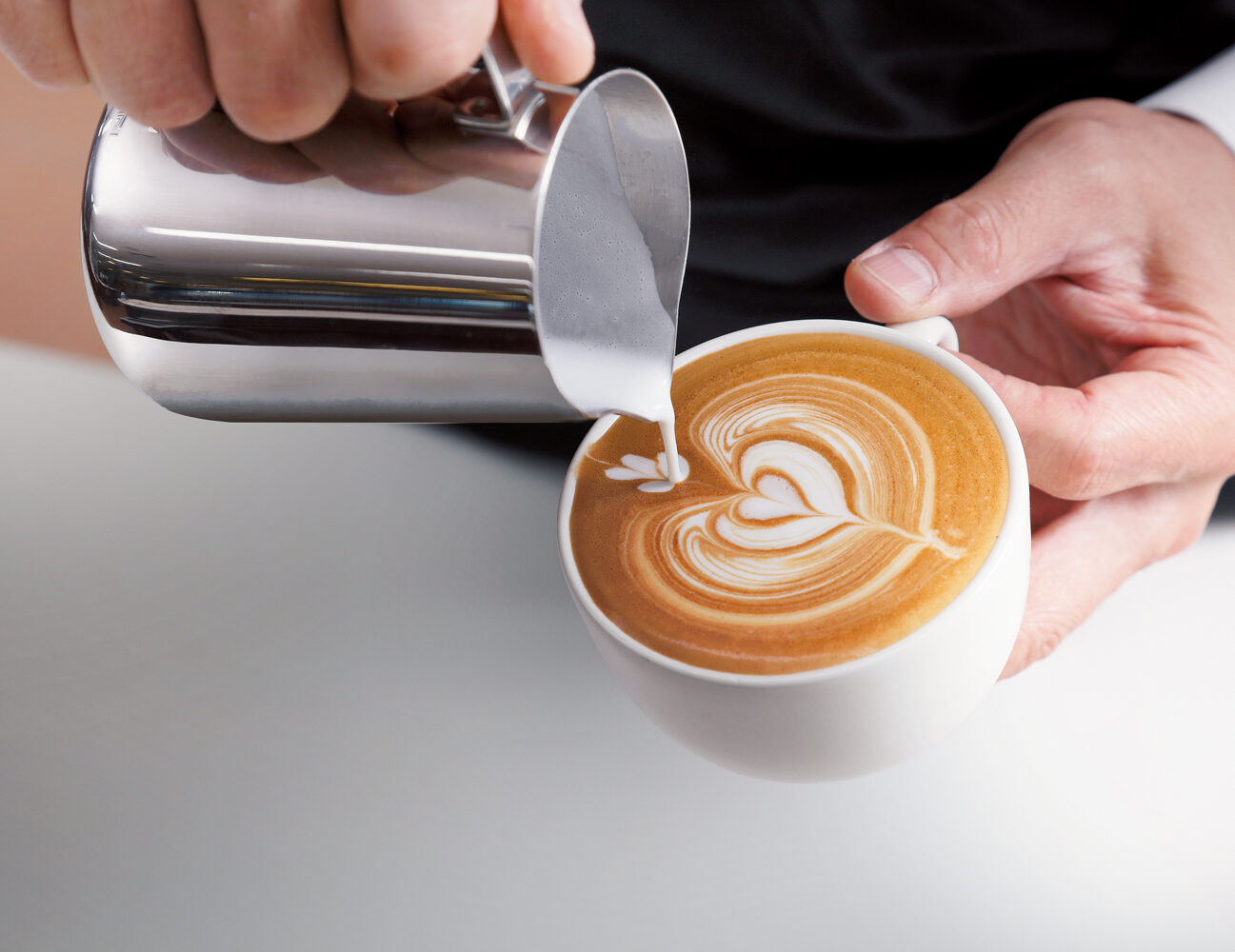
【コーヒーの基本(3)】エスプレッso編 | So, Coffee?
コーヒー抽出の中でも独特な存在感を放つエスプレッソ。エスプレッソをマスターすればカプチーノやカフェラテなどコー
journal.ucc.co.jpHow the heating system affects the experience
The heating system is a bigger practical factor than it looks. The main types are single boiler, thermoblock, thermocoil, and — in higher-end machines — dual boiler. What's at stake isn't just flavor; it's how much time passes between turning on the machine and drinking coffee.
Single boilers can take ~10 minutes to reach extraction temperature. The switch from extraction to steaming mode also introduces a wait. For a careful weekend ritual, that's fine — the deliberate pace has its own quality. For a Monday morning departure deadline, that's friction.
Thermoblock and thermocoil systems heat faster, typically reaching extraction temperature in 2–3 minutes. The Solis Barista Gran Gusto SK1014's weekday usability comes directly from this. The gap between "machine on" and "shot pulled" is short enough that the machine slips into the morning rather than demanding attention from it. A few minutes is a small number, but it changes the internal question from "do I have time?" to "yes, I can do this."
The heating system also shapes the transition from extraction to steaming. When you're making a latte, a long wait after pulling the shot means the espresso sits — the aroma starts to fade, and the Crema quietly deflates. A machine that moves between modes quickly keeps the best version of the shot intact when the milk arrives. Esquire's guide mentions the ~9 bar target as foundational, and it is — but for most home users, "can I get there quickly?" shapes satisfaction as much as the pressure figure itself.

家庭用エスプレッソマシンの選び方とおすすめ8選。全自動式から手動式まで、本格エスプレッソ体験を自宅で
自分の好みのエスプレッソマシンに出合い、自宅でもプロ並みのエスプレッソを楽しんでみては? #エスプレッソマシン
www.esquire.comSteam quality and latte art difficulty
Good latte art is less about steam pressure than about how fine the bubbles are. The target is microfoam — a glossy, fluid texture where the milk flows like paint rather than sitting as white froth on top. Milk in this state floats on the espresso without sinking, which lets you draw a clean white line on the surface.
Fully automatic milk systems deliver consistency, and a machine like the Magnifica Evo ECAM29081XTB handles the milk menu reliably without technique on your part — a real asset when time is short. The limitation for art purposes is that automatic systems don't respond to micro-adjustments. Manual steam, as on the Dedica Arte EC885J or Solis SK1014, lets you control how much air goes in and when you shift to rolling, which means you can produce both thin flowing microfoam and denser cappuccino foam intentionally.
Latte art is decided less by the pattern you're trying to pour and more by whether you can produce pourable milk in the first place. Froth with large bubbles breaks any line you try to draw; tightly integrated microfoam lets free-pour patterns flow naturally. Automatic is strong on reliability; manual is strong on range. The difference isn't just a feature distinction — it's the difference between drinking a consistently good latte daily and building the craft to make exactly the one you're imagining.
💡 Tip
Latte art success depends far more on how well you incorporate air than on steam power. On a good day with manual steam, the milk stops looking white and foamy and starts looking like glossy, slightly viscous paint in the pitcher — the surface catches light in fine, even ripples. That's when you know it'll pour.
Volume, consecutive shots, and hosting
Home espresso machines are designed around one or two drinks at a time. One person in the morning, or a couple each getting a shot, is where these machines feel comfortable. Start pulling drinks for three or four guests in a row and the usability differences between machines become much more obvious.
The Nespresso Essenza Mini's clarity — espresso ~40 mL, lungo ~110 mL, no other decisions — makes it fast for one cup at a time. Fully automatics like the Magnifica S ECAM22112 handle consecutive extraction well, and their button-driven workflow is well-suited to two-cup daily use. Semi-automatics can produce excellent individual shots, but the sequence — prep, pull, knock out, reset — adds up with each additional drink, and hosting requires thinking through the logistics.
Tank size plays into this more than it might seem. The Solis SK1014's ~1.7 L tank handles roughly 40–42 shots before a refill, which is comfortable for batches. The Dedica Arte EC885J at 1.0 L has a theoretical 24–25 shots, but in latte-heavy use where steaming consumes water, you'll be refilling noticeably sooner. For consecutive hosting situations, the unbroken pace matters as much as individual shot quality. Having to stop and refill mid-session breaks the rhythm in a way that's hard to recover from.
Why beans and grinder account for more than half the result
Even in a machine comparison, the biggest variables in the cup are the beans and the Grinder. Buying a higher-end machine while using stale beans, running mismatched roast levels and extraction temperatures, or grinding with poor particle consistency — any of these will cap your results well below what the machine can do. My honest experience: bean freshness and grind consistency have more influence over what ends up in the cup than the machine alone.
Semi-automatics make this most visible. A 58mm portafilter machine like the Solis SK1014 is sensitive to puck preparation, and Grinder quality feeds directly into shot quality. A small shift in grind size changes flow rate, and with that, Sweetness drops back while Acidity and Bitterness push forward. When particles are inconsistent, some areas over-extract (Bitterness) and others under-extract (Acidity), and the cup tastes muddy. Semi-automatics are labeled "difficult" less because of the machine itself and more because the upstream work — the grind — is no longer hidden.
Fully automatics and capsule machines don't escape this entirely. Built-in Grinders in fully automatic machines still pass on the differences between a fresh bag and a stale one. Capsule machines make the question "which capsule?" rather than "which bean and grind?" — but it's still a flavor choice. Understanding Origins and roast levels helps you use any machine better, and if grind consistency is something you want to improve, a standalone Grinder becomes part of the picture. Espresso doesn't end at the machine. Accepting that is when the cup starts getting genuinely interesting.
Frequently asked questions
Fully automatic, semi-automatic, or capsule — which should a beginner choose?
The answer depends entirely on what you want to make easier. If you want a quick cup in the morning, want everyone at home to be able to use it without confusion, and want fewer mistakes even when lattes are involved — fully automatic is the clear choice. Models like the De'Longhi Magnifica S ECAM22112, the Magnifica Start, and the Magnifica Evo ECAM29081XTB compress the journey from bean to cup dramatically. I lean on that convenience on weekdays; having a finished shot from a single button press genuinely streamlines the morning.
Semi-automatics aren't off-limits for beginners. Machines like the Dedica Arte EC885J and the Solis Barista Gran Gusto SK1014 require more engagement — extraction and steaming are on you — but the flavor payoff is real. People who learn by doing often find semi-automatics more satisfying faster, not slower. Espresso is a reproducible craft, and working through the variables has a way of becoming a hobby on its own terms.
Capsule machines are the lowest-friction option of all. The Nespresso Essenza Mini at ~40 mL for espresso and ~110 mL for lungo keeps things unambiguous, and with no bean or grind management, your energy goes toward building the daily coffee habit rather than the ritual. The learning curve is minimal, though the ceiling on flavor exploration is real.
My summary: lattes plus speed → fully automatic. Craft and learning → semi-automatic. Simplicity above all → capsule. Many people end up very happy splitting the difference — fully automatic on weekdays, semi-automatic on weekends for latte practice — which also sidesteps any disagreement when multiple people in the house have different preferences.
Which machines are best for latte art, and what should I practice first?
For latte art, start with a machine that has manual steam. The Dedica Arte EC885J and the Solis SK1014 are the natural entry points — you control foam thickness, flow, and sheen directly. The SK1014's 58mm portafilter also makes shot consistency easier to maintain, so you can approach latte art from a solid espresso foundation rather than just from the milk side.
Fully automatic milk like the Magnifica Evo ECAM29081XTB is excellent for a reliable latte on a busy morning. For art, though, automatic systems don't let you fine-tune foam texture with the precision that manual steaming does. Pouring hearts and tulips requires microfoam — smooth, glossy, fluid — not just milk with bubbles. That level of control comes from manual technique.
Before you tackle patterns, prioritize getting milk texture consistent. Too much air creates surface froth that breaks any line you pour. Too little rolling leaves the milk heavy, and the white sinks into the espresso rather than floating. My personal reference point: the milk should stop looking like foam and start looking like a slightly thickened, glossy liquid. When a pitcher session goes well, the surface catches light in fine, even ripples — that's the signal it's ready to pour.
Cleaning, descaling, and long-term maintenance — what's realistic?
Maintenance frequency shapes the long-term experience more than most people expect. Day-to-day, the drip tray, grounds container, and milk path should be cleaned the same day you use them — that's the baseline. With milk especially, rinsing right after use is the single biggest factor in how inviting the machine feels next session. Even with auto-clean programs, milk still needs regular manual attention.
Fully automatics benefit from their self-cleaning cycles, but the added parts — drainage, grounds management, milk mechanisms — mean that letting things pile up creates real friction. Semi-automatics have simpler structures, and cleaning the portafilter and steam wand tends to become a natural reflex rather than a task. Capsule machines are considerably easier on this front.
Descaling deserves more attention than it usually gets. Mineral scale from tap water accumulates gradually and dulls both extraction performance and heating response. Scheduling regular descaling — separate from daily cleaning — keeps startup time consistent and extraction stable. Looking further out, a professional overhaul every four to five years is sometimes recommended for home machines. Machines used daily benefit from preventive maintenance, not just reactive repairs.
ℹ️ Note
The psychological weight of maintenance isn't about how long each task takes — it's about whether you let it carry over to the next session. Wiping the steam wand and emptying the drip tray takes under a minute, but skipping it turns the next cup into a small ordeal before you've even started.
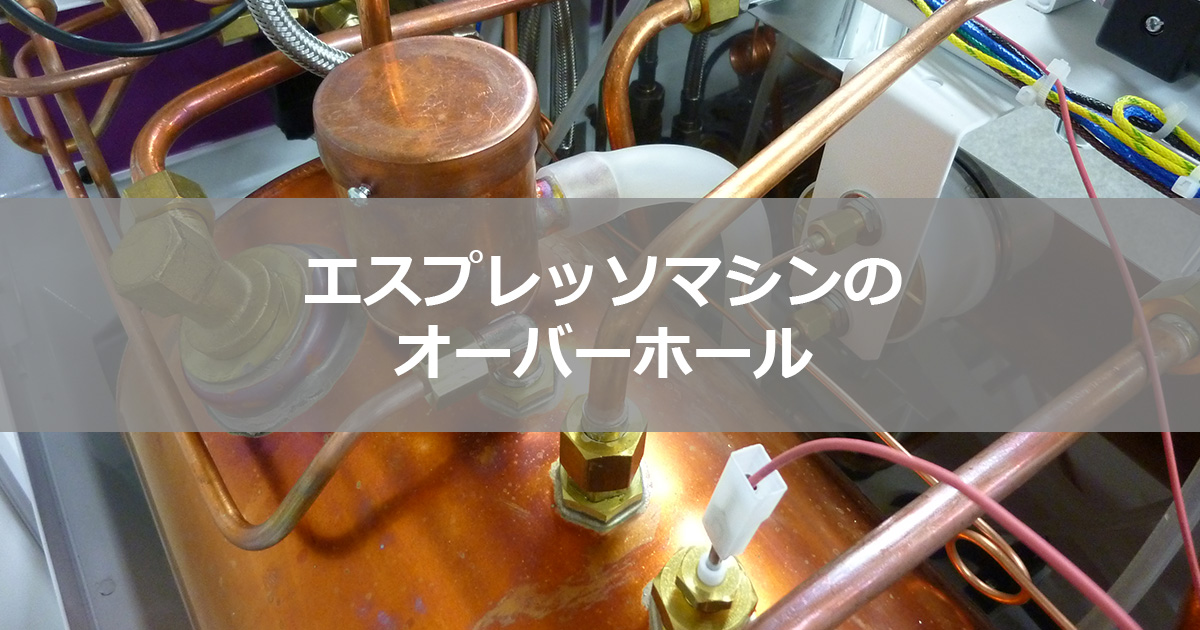
エスプレッソマシンのオーバーホール - 株式会社大一電化社
タンク式マシンは、内蔵の浄水器・軟水器が簡易式であったり、外付けで取り付けできないこともり、 マシン内部にカル
daiichi-mottainai.comDo I need a separate grinder?
It mostly comes down to machine type. With a fully automatic, the built-in Grinder is the whole point — you don't need to add anything external, and doing so would undercut the integrated simplicity these machines are designed around.
An external Grinder becomes relevant with semi-automatics. On machines like the Dedica Arte EC885J and the Solis SK1014, grind consistency maps directly to shot stability. Espresso is sensitive to flow rate — even a modest grind shift will pull Sweetness back while Acidity and Bitterness push forward. Taste stability is largely proportional to grind consistency. If you go semi-automatic, an external Grinder is less an upgrade and more a genuine partner for getting the most out of the machine.
Capsule machines don't need one at all — the design removes grind from the equation entirely.
Delaying a grinder purchase when you're interested in semi-automatic will make it hard to evaluate the machine fairly. Inconsistent extractions are ambiguous — you can't tell whether it's the machine or the grind without isolating the variable. When grind is locked in, the cup snaps into focus. Shots that were just bitter start showing Sweetness. Murky finishes clear up. That transition is where espresso stops being frustrating and starts being genuinely rewarding.
Wrapping up
Quick pick by priority: convenience / precision / compact / latte
When you're stuck, picking the single thing you're least willing to compromise on makes the decision much faster. Convenience first: the Magnifica Start or Magnifica S are the natural picks. Precision and craft: the Solis Barista Gran Gusto or Dedica Arte are where to look. Compact footprint: the Dedica Arte wins on width, and if operational simplicity matters as much as size, the Nespresso Essenza Mini is the most compact all-around. Latte-focused: starting with the Magnifica Evo for automatic milk, then moving to a semi-automatic once you want to refine the foam yourself, is a path that tends to avoid regret.
Pre-purchase checklist
There isn't much you need to do before buying — but measuring before you choose eliminates most placement regret. Depth and rear clearance in particular determine how comfortable daily water refills and cleaning will be.
- Measure the width, depth, and height of the space where you plan to put it
- Decide whether your priority is espresso-focused / latte-focused / morning speed
- Use your tolerance for maintenance to narrow between fully automatic, semi-automatic, and capsule
- Once you're down to two finalists, compare temperature control, milk system, and warranty
Once your priorities are clear, the spec sheet starts to make sense rather than creating noise. If a machine has caught your attention, picking up a measuring tape is the most practical first step you can take.
A home roaster with 12 years of experience, handling everything from sourcing green beans to designing roast profiles and testing extraction recipes. Certified Coffee Instructor (Level 2), he cups over 200 varieties annually and delivers recipes focused on reproducibility.
Related Articles
Kalita vs Melitta: 1-Hole or 3-Hole Dripper?
Melitta and Kalita are both classic wedge-shaped drippers, but choosing between them comes down to more than just hole count. Brew a consistent weekday morning cup with Melitta's single-pour method, then spend your weekend dialing in flavor with Kalita's multi-pour approach — that rhythm fits a lot of coffee drinkers.
Top 5 Manual Coffee Grinders in Japan | Selection Guide and Comparison
Manual coffee grinders are quieter than electric models, more affordable, and highly portable—ideal for coffee lovers in Japan. However, they grind limited quantities at a time and are best suited for slowly enjoying one or two cups, so choosing based on popularity alone often leads to frustration.
Hario V60 Characteristics and Brewing Method | Why It's Popular and Basic Recipe
The Hario V60 remains a standard in Japan because its conical shape, single large hole, and spiral ribs transform the pouring method itself into flavor creation. The flexibility to brew either light and delicate or thick and sweet flavors makes it beloved in both home kitchens and professional coffee shops.
Top 5 Electric Coffee Grinders for Home Use in Japan | How to Choose & Compare
Choosing an electric coffee grinder based solely on grinding speed often leads to disappointment. For home use in Japan, satisfaction comes down to five factors: particle size consistency, noise level, how fine you can grind, ease of cleaning, and how many cups you can handle per session.