
Best 8 Online Coffee Bean Shops in Japan — How to Choose and a Side-by-Side Comparison
Best 8 Online Coffee Bean Shops in Japan — How to Choose and a Side-by-Side Comparison
Buying coffee beans online in Japan gives you access to fresher roasts and a far wider selection than most local shops. That said, navigating the options is its own challenge — some retailers like Kohi Tonya carry over 100 varieties, while services like PostCoffee use a quiz to narrow things down for you. This guide cuts through the noise with a clear framework and a direct comparison of eight standout shops.
Buying coffee beans online in Japan gives you access to fresher roasts and a far wider selection than most local shops. That said, some retailers like Kohi Tonya (珈琲問屋) carry over 100 varieties, while services like PostCoffee use a quiz to guide your selection — making it easy to stall at "where do I even start?" This guide first establishes clear criteria for avoiding common mistakes, then lines up eight recommended shops side by side using those same criteria. By the end, you should be able to narrow things down to one or two real candidates.
A useful baseline for first purchases: 100g yields around 8 cups, 200g around 16 cups. Whole beans stay at their best for roughly a month; ground coffee for about two weeks. I find that buying 200g of two different varieties and rotating through them every two to three weeks strikes the right balance between freshness and variety. (I drink one cup on weekday mornings and two cups on weekends.)
Online Buying vs. In-Store: Who Benefits Most?
Shopping online works especially well for three types of people: those who want the freshest possible beans delivered to their door, those looking beyond what their local shop stocks, and those who simply want to skip the trip. Those same three advantages consistently appear in roundups like popular coffee bean online shop rankings and 55 recommended online coffee shops.
In-store shopping has its own appeal — you can ask questions and get personalized guidance on the spot. But online, particularly from a shop that roasts to order, the beans are roasted after your purchase and shipped out shortly after. That means the beans arrive at their freshest window. It's a meaningful difference.
I often order from roast-to-order shops myself. When I open the bag a few days after the beans have had time to degas, there's a softly sweet aroma that's hard to describe. The grounds bloom dramatically when you pour hot water — you can feel that the beans are fresh just from the way they react. The widely cited sweet spot is 3 to 14 days post-roast, and online ordering makes it much easier to land in that window. You can find fresh beans in-store too, but if a shop doesn't clearly communicate when something was roasted, the difference quietly matters.
Convenience is another real factor. No need to stop somewhere after work, and you can set up a recurring delivery calibrated to how much you drink. PostCoffee's official help page, for instance, lists their subscription starting at 1,980 yen (~$13 USD) per month (tax included) for 75g × 3 varieties, with free shipping nationwide on subscriptions. That's 225g total — roughly 880 yen (~$6 USD) per 100g. For someone still discovering their preferences, rotating small amounts beats committing to a single 200g or 250g bag from a physical store.
That said, "cheap" online isn't always obvious. The true cost adds up from the bean price itself, shipping fees, free-shipping thresholds, subscription discounts, and bundling conditions. Kohi Tonya Online Store, for example, publicly states a base shipping fee of 550 yen (~$3.70 USD), which can drop to 330 yen (~$2.20 USD) for self-roasted bean orders, with free shipping on purchases of 3,240 yen (~$22 USD) or more. These terms vary dramatically from shop to shop, and looking only at unit price will leave you with a skewed impression.
💡 Tip
When comparing online shops, look at the total cost per order rather than the price of the beans alone. Once shipping is factored in, you can immediately tell whether a shop is built for small purchases or bulk buying.
Pricing pressure is another trend worth watching. Japan's Nikkei has reported that the surge in international coffee prices could ripple through to consumer prices from the second half of this year into 2026. ILMIIROASTERY has also illustrated how a yen weakening from 130 to 155 per dollar translates to roughly a 19% cost increase — and since imported green beans are the raw material, online and in-store prices alike will feel this. Online orders, with their shipping and subscription layers, tend to make those differences more visible.
And online shopping isn't uniformly "convenient and quality-assured." Some shops roast to order; others prioritize shipping speed. How roast dates are handled also varies: Doi Coffee (土居珈琲) makes roast-to-order central to its brand; Rokumei Coffee (ロクメイコーヒー) publishes a relatively concrete roasting schedule; other shops don't make roast date information easy to find at all. Return policies vary too — Kohi Tonya explicitly states that food items cannot be returned for customer preference reasons but will be exchanged for defective products, while PostCoffee lets subscribers pause or cancel anytime through their account page. Even shipping structures differ: free-shipping-threshold models, flat free-shipping models, per-unit sliding-scale models. The word "online shop" covers a wide range of actual experiences.
That's exactly why, rather than going by popularity, you're better served by evaluating roast-to-order availability, roast date transparency, shipping structure, subscription flexibility, and return policies. Those are the lenses I'll use throughout the comparisons ahead.
How to Choose an Online Coffee Shop Without Getting Burned
Freshness and Labeling
Start by separating must-have criteria from preference criteria — this keeps your evaluation stable. Must-haves are things that directly affect how well you can assess quality, like roast date labeling or best-by date disclosure. Preferences are things that guide flavor direction: roast level range, origin, processing method, and how flavor notes are described. Running any ranking or comparison table through this two-tier filter shifts your question from "is this popular?" to "does this meet what I actually need?"
On freshness, the two most important signals are roast date labeling and best-by date labeling. Japan's Consumer Affairs Agency guidelines on food expiration labeling establish that processed foods should display either a best-by or use-by date appropriate to the product's characteristics. Coffee beans aren't a highly perishable food, but their aromatic peak fades over time — so shops that clearly communicate "when this was roasted and when you should ideally drink it" are simply easier to buy from with confidence.
Doi Coffee is a good example of a shop where roast timing is relatively transparent, given their roast-to-order approach. Rokumei Coffee publishes its roasting schedule officially, making it straightforward to anticipate the shipping timeline. Kohi Tonya and PostCoffee, by contrast, make the overall model clear — roast-to-order or scheduled subscription — but the specific roast date format isn't always findable through a standard search. That gap shows up the moment you open the bag. In my experience, shops where the return policy and roast date labeling are both clearly stated tend to have more consistent bean condition on arrival — the degassing is vigorous, and there's a noticeably steadier aromatic presence when brewing.
For preference criteria, three factors are enough: roast level, origin, and processing method. Light roasts bring out acidity and fruity brightness; dark roasts develop bitterness and body; medium roasts sit in between and make for an easy daily drinker. On origin, think of Ethiopia as floral and expressive, Brazil as nutty and gently sweet, and Colombia as a crowd-pleasing balance. Add processing method to the picture and the pattern sharpens further — Washed process tends toward a clean, defined profile, while Natural process pushes fruit-forward sweetness to the fore. Kurasu's Guide to Choosing Coffee Beans Without Failing and Rokumei Coffee's selection guide both organize things around exactly this framework.
Flavor notes deserve a closer look too. A listing that says "blueberry, lychee, honey" sounds appealing — but the origin alone doesn't determine the taste. The same Yirgacheffe will read quite differently depending on whether it's Natural or Washed, and whether it's light or medium-dark roasted. A shop that pairs its flavor notes with roast level and processing method context is more trustworthy than one that just stacks evocative descriptors.
食品の期限表示に関する情報 | 消費者庁
www.caa.go.jpPrice, Shipping, and Delivery
Unit price alone doesn't tell you much when comparing online coffee shops in Japan. What matters is the total landed cost, and once shipping is folded in, the picture often flips. With international coffee prices and exchange rate pressures pushing costs higher across the board, it's now increasingly common for a "cheaper" bag to end up more expensive than a pricier one once shipping is added.
Kohi Tonya Online Store posts its pricing clearly: base shipping 550 yen (~$3.70 USD), reduced to 330 yen (~$2.20 USD) for self-roasted bean orders, with free shipping at 3,240 yen (~$22 USD) and above. That's a great structure for bulk buyers but can feel proportionally heavy for small trial orders. Rokumei Coffee sets its free-shipping threshold at 6,480 yen (~$43 USD), which means it rewards customers who buy a bit more at once. PostCoffee's subscription ships free nationwide, effectively removing shipping as a variable entirely.
Delivery transparency also varies. Kohi Tonya targets same-day dispatch for orders placed before 1 p.m., which can be handy if timing aligns. Rokumei Coffee roasts on Mondays and Thursdays, making it relatively easy to anticipate the roast-to-shipment timeline. PostCoffee advertises as-soon-as-next-day delivery for subscriptions. But raw speed isn't the whole story — what actually matters is whether you can trace the journey from roast to your door. That visibility is what lets you judge whether a bag is in its best window or still resting.
ℹ️ Note
When comparing prices, line up the "total cost of your first order" alongside the "minimum spend for free shipping" — that combination instantly shows whether a shop is designed for small orders or bulk buying.
Whole Beans vs. Pre-Ground
This is a common sticking point for newcomers. The short answer: if you own a grinder, buy whole beans. They hold their flavor longer because less surface area is exposed to air. As mentioned earlier, whole beans stay at peak quality for about a month; ground coffee for about two weeks — a useful number to plan your purchases around.
That said, buying pre-ground isn't a mistake in itself. If you want to brew quickly every morning, or aren't ready to invest in a grinder yet, the convenience of pre-ground is real. In that case, look beyond whether ground is available at all — check whether the shop lets you specify the grind size. The right grind varies significantly between pour-over, French press, and espresso. A shop that lets you choose not just beans vs. ground but also the grind setting is genuinely beginner-friendly.
Roast level interacts with this too. Light roasts tend to showcase delicate, high aromatic notes that really reward freshly ground beans — the difference is most apparent there. Dark roasts are more forgiving in pre-ground form, though the subtler sweetness underneath the roasted notes does fade faster once ground. My own practice: I buy whole beans for expressive Ethiopians and Kenyas, and pre-ground works fine for the everyday dark-roast blend. When evaluating shops, treating "grind options available" and "grind size selection" as preference criteria makes the comparison much cleaner.
Choosing the Right Quantity
Quantity is easy to underestimate, but getting it wrong means your beans go past their peak before you finish them. Online shopping naturally draws your eye toward larger sizes that seem like better value — but buying what you can actually drink before the aromatic peak fades will leave you more satisfied. The math is simple: 100g yields roughly 8 cups, 200g roughly 16.
For a first order, 100g or a small sampler set is the easiest starting point. Kohi Tonya offers both trial sets and tasting assortments. PostCoffee gives you a choice of 75g, 150g, or 300g per variety, which makes it hard to end up stuck with more than you can use during the taste-discovery phase. Their 225g box covers multiple varieties, so even the same total weight feels more engaging.
For regular home use, 200g hits a sweet spot — about 16 cups, manageable in the fridge if needed, easy to transfer into a storage container. Large quantities might offer a lower per-gram cost, but if you're drinking past the aromatic peak the whole back half, overall satisfaction drops. The right framing isn't "is the unit price good?" but "can I drink all of this while it still tastes good?"
Subscriptions: A Good Fit or Not?
Subscriptions are convenient — but not for everyone. They work well for people with a fairly consistent drinking pace who want to stop thinking about reordering. For irregular drinkers or anyone who likes jumping between different shops, single-purchase flexibility is usually the better fit.
PostCoffee makes the subscription model about as clear as it gets: starting at 1,980 yen (~$13 USD) per month (tax included) for 75g × 3 varieties, free nationwide shipping. That's 225g total, or roughly 880 yen (~$6 USD) per 100g. The quiz-driven curation handles the "what should I even get?" problem, and cancellation is available anytime through the account page — a low barrier to entry by subscription standards.
That said, subscriptions aren't automatically cheaper than single orders. The savings margin varies, so total cost including shipping is a more honest basis for comparison than discount percentage alone. Some shops — like Kohi Karrot (コーヒーきゃろっと) — are well known for having detailed subscription plan examples documented externally, though I wasn't able to confirm every pricing detail from official sources in this review. In those cases, how clearly a shop communicates its subscription terms becomes part of the evaluation itself. Beyond price, the real value of a subscription lies in easy cancellation, pause flexibility, and the ability to adjust delivery frequency.
Quantity fit matters here too. If you drink one or two cups a week, a 75g–150g tier makes sense. Daily drinkers will burn through 300g more realistically. A subscription that doesn't match your consumption pace — whether too much or too little — quickly turns its own convenience into a source of friction.
Return and Exchange Policies
Often overlooked, but return and exchange policies are what actually separate a trustworthy online shop from a merely decent one. Since coffee is food, most shops don't accept returns for preference reasons — that's expected. What matters is how clearly defective product and mis-shipment handling is documented.
Kohi Tonya Online Store states explicitly that customer-preference returns on food are not accepted, while defective products will be exchanged for replacements within 7 days of arrival. That level of specificity — a clear policy with a concrete time window — is genuinely reassuring. Shops where return or exchange terms are difficult to find through a normal search, even if the coffee itself is excellent, score lower as an overall purchase experience. In my observation, shops that nail their written policies also tend to handle the physical side carefully: packaging is more consistent, and the beans arrive in better condition.
This matters most for first-time purchases and trial orders. A shop that offers small starting quantities, clear exchange terms, and easy subscription management provides a forgiving foundation for beginners. You can't know if you'll like the flavor before you try it — but policy transparency is a quality signal you can evaluate before you buy. Keep that lens on as you work through the comparisons and shop reviews below.
The Top 8 Online Coffee Bean Shops in Japan: Side-by-Side
When I was narrowing down these shops, the factors I weighted most were: freshness and roast-date transparency, readable shipping costs, small-quantity entry points, low-friction subscription onboarding, ease of filtering by roast level and taste preference, and clear return and exchange policies. Quiz-based discovery services and large-catalog shops both offer "easy to choose" — but in completely different ways. The former lives and dies on the quality of its recommendations; the latter depends on how good its search and filtering tools are.
Here's how the eight stack up. Pricing and shipping terms shift, so I've kept this to confirmed facts where possible. A note: some price examples in the article come from third-party comparison sites and reviews (e.g., AFRO BLOG, Kospa-bu, etc.) and may not exactly match each shop's current official listings — I've flagged those cases in the text.
| Shop | Character | Best For | Price Range | Small Qty | Subscription | Freshness / Labeling | Shipping Notes |
|---|---|---|---|---|---|---|---|
| Kohi Tonya (珈琲問屋) | 100+ varieties; strong taste-search and tasting-set navigation | People who want to compare beans while discovering preferences | — | Trial/tasting sets confirmed; 100g à la carte not confirmed | Not confirmed in official excerpts | Roast-to-order dispatch noted | 13:00 cutoff + free-shipping threshold interaction |
| PostCoffee | Quiz-driven curation; easy to rotate small quantities of multiple varieties | Beginners who don't know where to start | Subscription from 1,980 yen (~$13 USD)/month (tax incl.) for 75g × 3 varieties | 75g / 150g / 300g options | Yes | Quiz → delivery → feedback loop is clear | Subscription: free shipping nationwide; single-item shop: separate terms |
| Kohi Karrot (コーヒーきゃろっと) | Known for clear subscription plan examples and trial sets | People planning to buy regularly | Third-party reviews (e.g., AFRO BLOG) cite subscription examples of 200g × 2–5 varieties for 3,974–7,830 yen (~$27–52 USD) (not officially confirmed) | Trial set confirmed; 100g à la carte not confirmed | Yes | Freshness emphasis is strong; official roast-date format not confirmed | Official shipping and cancellation policy: check directly |
| Doi Coffee (土居珈琲) | Quality-first; small-batch roasting; roast-to-order | People who prioritize cup quality over variety | Ongoing prices not confirmed from official excerpts | Trial set confirmed; 100g à la carte not confirmed | Mentioned but pricing/cancellation details not confirmed | Yes (roast date selection feature noted) | Gap between roast date selection and shipment |
| Rokumei Coffee (ロクメイコーヒー) | Beginner-friendly guidance; learn as you choose | People who want to understand how to choose, not just what to buy | Representative prices not confirmed from official excerpts | Sets available; 100g à la carte not confirmed | Yes (details not confirmed from official excerpts) | Roast days: Mon/Thu; ships within 1–2 days | Free shipping threshold: 6,480 yen (~$43 USD) |
| Nif Coffee | Roast levels organized in plain language; tiered per-pack shipping | People who want to compare roast levels side by side | — | Trial sets available; 100g à la carte not confirmed | Yes | Same-day-of-roast dispatch promoted | 1-pack shipping is steep; better value with 2+ packs |
| Tabi no Ne (旅の音) | 50g trial sizes with free shipping on select items | People who want to sample a little at a time | Subscription pricing not confirmed from official excerpts | 50g trials available | Yes | "Roasted within the past 10 days" noted on product pages | Free shipping on trials; standard shipping terms: check separately |
| MORIHICO. | Organic JAS certified offerings; distinctive brand identity | People for whom organic sourcing and brand experience matter | — | Sets available; 100g à la carte not confirmed | Yes | Organic product labeling confirmed | Subscription page conditions: check directly |
Kohi Tonya (珈琲問屋)
Kohi Tonya Online Store's defining strength is its officially stated lineup of over 100 varieties available at any given time. That's not just a large number — it means you can genuinely compare light roasts against dark, single origins against each other, and tasting assortments against individual bags, all within a single shop. For someone still mapping out their preferences, having that range in one place is a real asset.
The flip side of a large catalog is that "more to choose from" also means "more to get lost in." Unlike a quiz-based service, no one is pre-filtering results for you — so how well the shop lets you narrow by roast level or flavor direction directly affects the experience. When I use this type of shop, I find that filtering by roast level before thinking about origin cuts through the paralysis faster than any other approach.
On freshness: roast-to-order dispatch is confirmed. Same-day shipping is targeted for orders placed before 1 p.m., which can be useful if the timing works. Given that many people aim to drink their beans within 3 to 14 days post-roast, being able to back-calculate from your arrival date is a genuine advantage.
This shop is best suited to people who want to develop a sense of their preferences — "turns out I gravitate toward medium roasts," "nutty aromas are where I land" — through active comparison. Trial sets and tasting assortments are confirmed, so you don't have to commit to a large bag from the start.
【珈琲問屋オンラインストア】100種類以上のコーヒー豆から選べる美味しい自家焙煎通販サイト(電話・FAX・メールでもご注文可能!)
www.tonya.co.jpPostCoffee
PostCoffee addresses the most common beginner sticking point — "I don't know what to pick" — by handling the decision for you upfront. Rather than browsing a long product list and choosing independently, you take a short quiz, and curated selections arrive based on your results. Your feedback after each delivery shapes the next one. This model is most effective precisely when you haven't yet built a vocabulary around beans, origins, or roast levels.
The official help page confirms: subscriptions start at 1,980 yen (~$13 USD)/month (tax included) for 75g × 3 varieties, with sizes available in 75g, 150g, and 300g. Three 75g varieties totals 225g per box. That structure makes it easy to finish each variety before it fades, and you're tasting multiple profiles at once — which accelerates the preference-building process. For someone drinking less than one cup a day, this rotating small-quantity format is an especially natural fit.
On pricing: third-party comparisons have cited price differences on 300g plans (sources include Kospa-bu, not officially confirmed). Keep in mind that the main value of the subscription isn't just a discount — it includes curation, nationwide free shipping, and flexible quantity adjustment.
Best for: people with undefined taste preferences who want reliable suggestions rather than self-directed browsing. The quiz system is polished enough that PostCoffee makes a sensible first shop.

PostCoffee(ポストコーヒー)| 美味しいコーヒーの総合通販 定期便なら全国送料無料、最短翌日投函でお届け
日本最大級のコーヒーラインナップ。国内外のコーヒーショップのコーヒーもラインナップ。定期便なら全国送料無料・最短翌日投函
postcoffee.coKohi Karrot (コーヒーきゃろっと)
| Kohi Karrot | Known for clear subscription plan examples and trial sets | People planning to buy regularly | Third-party reviews (e.g., AFRO BLOG) cite subscription examples: 200g × 2 varieties at 3,974 yen (~$27 USD), × 3 at 4,995 yen (~$33 USD), × 4 at 6,458 yen (~$43 USD), × 5 at 7,830 yen (~$52 USD) (not officially confirmed) | Trial set confirmed; 100g à la carte not confirmed | Yes | Freshness emphasis is strong; official roast-date format not confirmed | Official shipping and cancellation policy: check directly |
What makes this shop appealing is that the subscription plans give you a concrete sense of how much coffee you'd actually be receiving on a regular basis. In online subscriptions, the ratio of quantity received to ease of drinking it is often more important than the per-gram price. Karrot's plan examples — covering a range of two to five varieties — work whether you're a daily drinker or someone who likes running multiple bags in parallel.
The trial set path is well-documented in third-party sources, providing an easy on-ramp to the subscription without immediately committing. That's beginner-friendly. However, shipping costs, cancellation terms, and roast-date display format weren't confirmable from official sources in this review. For a shop where those details matter to your decision, that's worth noting — how transparent a shop is about its terms is itself a data point when evaluating it.
Best for: people who have at least a rough idea they'll be buying consistently, and who want to visualize their ongoing volume before deciding. Think of it less as "failsafe for the first order" and more as "easy to plan around from the second order on."
Doi Coffee (土居珈琲)
Doi Coffee is for people who care more about what's in the cup than how many options are on offer. The official site describes a small-batch roasting approach, roast-to-order fulfillment, and — notably — the ability to select your roast date. That last feature reframes freshness from "how quickly can I get it?" to "which roast day do I want to receive?" — a more intentional way to think about timing.
Shops that operate this way tend to produce beans with well-defined flavor profiles and clean aromatic presence. Roast-to-order bags, when opened after the right amount of degassing, often have a concentrated aromatic core — light roasts carry citrus and floral nuance, medium-darks carry sweet echoes of cacao and roasted nuts. Small-batch production tends to emphasize the completeness of each cup over sheer catalog breadth.
Trial sets are available, though I wasn't able to confirm whether 100g bags are always stocked individually. Subscription pricing and cancellation details weren't fully confirmable. This isn't a shop you choose based on information density — it's one you choose because you value the roasting philosophy behind it.
Best for: buyers who aren't chasing the lowest price and want consistently satisfying beans in smaller quantities. Less about volume, more about a considered cup.
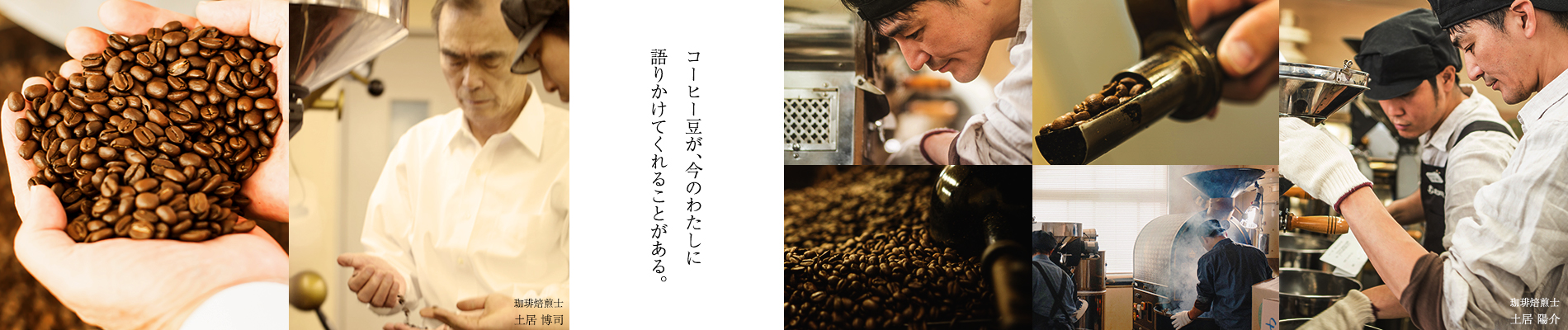
『小さな焙煎』によって、作りだすコーヒー|土居珈琲
土居珈琲 ― 職人が手仕事で焙煎するコーヒー「小さな焙煎」土居珈琲。わたしどもは、一日の焙煎量に上限数をもうけています。小さな焙煎釜を使い、人の目で一粒一粒見つめながら、そのつどコーヒーを仕上げます。「料理王国100選」選抜・優秀賞受賞。
www.doicoffee.comRokumei Coffee (ロクメイコーヒー)
Rokumei Coffee doesn't just sell beans — it guides you through the process of choosing them. There's a dedicated "First-Time Customers" section on the official site, with guides covering both brewing and product selection. In online coffee shopping, a well-organized entry point is often more valuable than the sheer range of products available. Rokumei does this well.
On the logistics side: free shipping on orders of 6,480 yen (~$43 USD) or more, roasting on Mondays and Thursdays, and dispatch within 1–2 days of roasting are all stated on the official site. Knowing the roasting schedule lets you build a mental picture of when your beans were roasted — which is more useful than just knowing the shipping speed. "I know Monday's roast is arriving Thursday" is a more grounded way to think about freshness than tracking days-since-order.
In my experience, shops that put effort into their educational content also tend to write honest, proportionate flavor descriptions — which means the beans you receive are more likely to match what you expected when you ordered.
Best for: people who want to learn as they buy. Not purely about price, but about reducing mistakes by genuinely understanding what you're choosing.
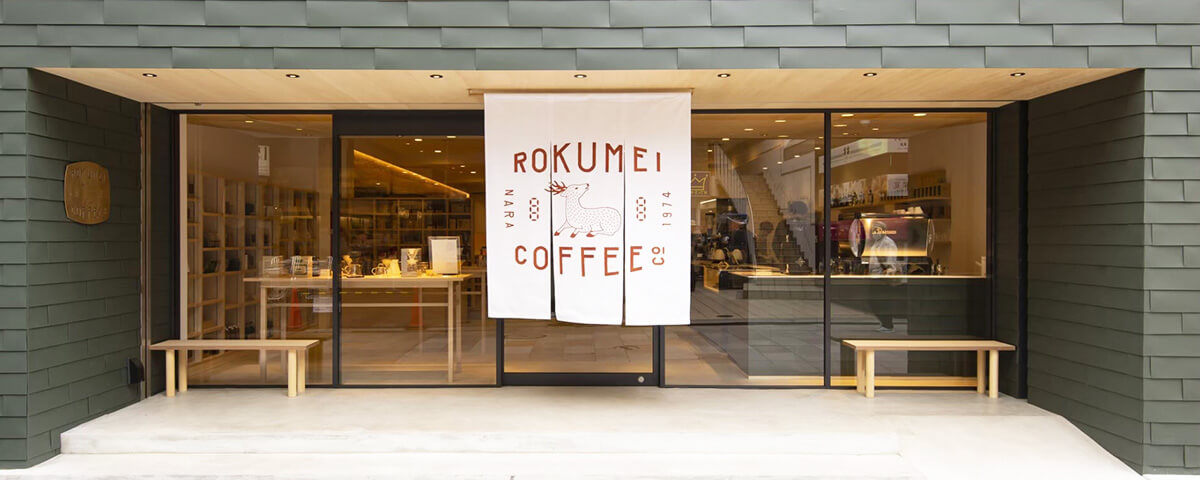
コーヒー通販|《公式》ロクメイコーヒー
1974年創業、古都奈良の自家焙煎スペシャルティコーヒー専門店【ロクメイコーヒー】の通販サイトです。豊かな暮らしをスペシャルティコーヒーとともに。焙煎日本チャンピオン。上質なコーヒーをお届けします。
rokumei.coffeeNif Coffee
Nif Coffee stands out for how it frames roast levels. Rather than using technical jargon, the shop uses plain Japanese descriptors that roughly translate to "regular," "dark," and "special" — language that's approachable for someone who doesn't yet know whether they prefer light or dark. If roast level selection feels intimidating, the lower verbal barrier here is a genuine feature.
On freshness: same-day-of-roast dispatch is explicitly promoted, signaling a clear commitment to getting the beans to you at their freshest. The exact format for roast date labeling on the bag wasn't confirmable, but a shop that leads with same-day shipping as a selling point is treating freshness as a real priority. For people who want to experience a bag right in that early aromatic phase, this shop is a natural fit.
The shipping structure is distinctive and worth understanding up front. According to the official guide, per-pack fees run 1,078 yen (~$7.20 USD) for 1 pack, 858 yen (~$5.70 USD) for 2, 748 yen (~$5 USD) for 3, 638 yen (~$4.25 USD) for 4, 528 yen (~$3.50 USD) for 5, and free at 6 or more. A single pack carries noticeable shipping cost; the economics improve significantly when you're buying multiple varieties at once. If you want to compare roast levels side by side — buying three different roasts in one order — that structure actually fits quite naturally.
Trial sets and subscription options are available, so the on-ramp exists. Best for: people who want to taste their way through roast level differences, and who don't mind thinking through the optimal order quantity to make the per-pack shipping work in their favor.

スペシャルティコーヒー通販|Nif Coffee|焙煎したてのコーヒー豆
Nif Coffeeは、焙煎したてのスペシャルティコーヒー豆を通販でお届けする専門店です。
nifcoffee.co.jpTabi no Ne (旅の音)
Tabi no Ne's clearest advantage is its 50g trial option — and the fact that qualifying products ship free. For a first online purchase, not having to worry about committing to too much is a genuine relief. At 50g (roughly 4 cups), you can get a real read on a bean's aromatic character without burning through a full bag on something that wasn't quite right for you.
On freshness, product descriptions note that beans are delivered within 10 days of the roast date. This isn't "as fresh as possible right out of the roaster" — it's framed to include some resting time, which for certain roasts is actually the better window. Light roasts in particular can benefit from a few days of degassing before the aromatics settle into their most cohesive form. There's practical honesty in that framing.
Subscription options exist but I couldn't confirm quantity, pricing, or cycle details. Standard shipping terms outside the free-shipping trial items also weren't fully clear. For this shop, the most straightforward way to evaluate it is to start with the trial offer rather than projecting how a subscription would work. It's a shop for careful tasting over volume buying.
Best for: people who want to sample broadly in small amounts, or who like the idea of a considered discovery experience — closer to visiting a roastery on a trip than doing a bulk grocery run.
MORIHICO.
MORIHICO. is a coffee company based in Hokkaido, Japan, with 12 cafes and restaurants across Sapporo. Its online shop is backed by a distinctive brand identity and a confirmed lineup of organic JAS certified products. For buyers who care about what's behind the product — not just what's in the cup — this kind of transparent certification is a meaningful input.
Subscription options are available, but pricing, cycle, and cancellation details weren't fully confirmable in this review. Shipping structure and roast date labeling format are also unclear from publicly available information. This means that, compared to shops with dense operational transparency, MORIHICO. is better evaluated on what it is rather than how well it documents the details. It's not the first choice for someone who wants to optimize every variable before clicking buy.
That said, the shop does have gift sets and tasting assortments — pathways to enjoying coffee as an experience rather than just a commodity. In my view, there's a different pleasure in choosing this kind of shop: it's less about specs and more about the mood you want your cup to carry.
Best for: people who want organic sourcing and brand experience to be part of the picture. The appeal is one that numbers alone can't fully capture.
💡 Tip
Scanning all eight shops: PostCoffee is the most accessible starting point; Kohi Tonya is best for exploratory comparison; Doi Coffee is the pick for quality over quantity; Tabi no Ne shines on small-quantity trials. Kohi Karrot gives you the clearest sense of ongoing subscription volume; Rokumei Coffee is the best for learning alongside buying; Nif Coffee makes roast-level comparison straightforward; and MORIHICO. is the choice when organic sourcing matters to you.

MORIHICO.|公式サイト
北海道、札幌で12店舗のカフェ・レストランを運営するコーヒーカンパニーMORIHICO.。取り扱うコーヒー豆は全て自社焙煎、自社製造。深煎りコーヒー「森の雫」をはじめ、スペシャルティコーヒーや、オーガニックコーヒー、ギフトにお勧めの焼き菓子
www.morihico.comWhat to Buy First as a Beginner
When in doubt, your first bag should be medium roast, 100–200g, whole beans if possible. Combine that with free shipping or a trial set that includes shipping, and keep the quantity to something you can finish in two to three weeks. Medium roast is the most forgiving starting point — neither the acidity nor the bitterness is pushed to an edge, and it works equally well black or with a splash of milk.
The math is simple. Based on ELLE gourmet's per-cup estimates, 100g yields about 8 cups, 200g about 16. If you drink one cup on weekday mornings and two on weekends, you're at roughly 9 cups a week — meaning 200g lasts about two and a half weeks, which is a very workable first-order size. If your drinking pace is uncertain, start with 100g. If you're already brewing at home regularly, 200g is probably right.
Whole beans over pre-ground, if you have a grinder. Grinding right before you brew releases a wave of aroma that pre-ground simply can't replicate. This is often the moment where people who've just started grinding their own beans suddenly understand what all the fuss is about — the same medium roast they'd been buying pre-ground opens up with a caramel or nutty sweetness they hadn't noticed before. If you want an honest first impression of beans ordered online, whole beans give you a cleaner read.
The commonly cited peak drinking window is 3 to 14 days post-roast (per Kohi Mame Kenkyusho). For your first order, work backward from your expected delivery date and plan your consumption accordingly. You don't have to open the whole bag immediately — spending the first week noting how the aromatics develop and the second week tracking how the flavor comes together is a rewarding way to learn what you're tasting.
For entry points: PostCoffee's free-shipping subscription makes it easy to start small, and shops like Tabi no Ne and Nif Coffee offer trial options with shipping folded in or waived. Shops that require a minimum order to unlock free shipping will nudge your first order larger than you need. Early on, choosing "the right amount I'll finish in time" beats "the bulk deal that looks cheap per gram." Once the beans are past their peak, the savings don't matter.
Storage is part of this calculus too. Keeping quantities manageable — within that two-to-three-week window — protects your beans better than any container trick. I touch on storage methods in the coffee bean storage guide on this site, but for your very first purchase, the simplest protection is not buying too much. Medium roast, 100–200g, whole beans, free shipping or shipping-included trial. That formula holds up.
How Roast Level, Origin, and Processing Method Affect Flavor
Roast Level
Roast level is the most accessible starting axis for choosing beans. The broad pattern: light roasts lean toward acidity and fruity brightness, medium roasts sit in the middle, dark roasts develop bitterness and body. That's a simplification, but it's a reliable one.
Light roasts showcase the bean's inherent character — citrus, berry, floral notes all come through more cleanly. A bright Ethiopian roasted light might taste like jasmine or lemon tea. I've noticed that even a small drop in water temperature — just a few degrees — can soften the acidity's edge and bring out more sweetness at this roast level. Light roasts are expressive, and that expressiveness cuts both ways: when they're right, they're striking; when they're miscalibrated, the flaws are obvious.
Medium roasts are where coffee is most forgiving. Acidity and bitterness are in balance, and the sweet registers — nuts, caramel, chocolate — are most accessible. This is why medium roast works as a default recommendation: it holds up well black and doesn't fall apart with a little milk. The "start with medium roast" advice from earlier in the guide is rooted in exactly this.
Dark roasts push toward roasted bitterness, cocoa depth, and a heavier body. A Brazilian bean taken dark can develop a pronounced bittersweet chocolate character that pairs naturally with milk. The trade-off is that the origin's subtler aromatic nuances become harder to distinguish — the roast character dominates. For people who find acidity off-putting, dark roasts are often the more comfortable starting point.
Flavor Profiles by Origin
Origin is the other foundational axis. You don't need to memorize an atlas — just two reference points get you most of the way there: Ethiopia as the floral, expressive, fruit-forward one; Brazil as the gentle, nutty, reliably sweet one.
Ethiopian coffees are typically described with language like floral, tea-like, berry, or citrus. Yirgacheffe (イルガチェフェ) is the most recognizable name, and for good reason — an Ethiopia Yirgacheffe G1 Natural is a textbook example of strawberry-blueberry sweetness and floral fragrance. But origin alone doesn't seal the deal. The same bean processed as Washed vs. Natural, and roasted light vs. medium-dark, will read quite differently — fruitiness dominates when light, while sweetness and density take over as you roast darker.
Brazilian coffees lean toward rounded, smooth cup character — nutty, chocolatey, caramel-adjacent sweetness without sharp edges. It's a reliable origin and a logical base for blends. Medium to dark roasted Brazilian beans make for a daily drinker that doesn't fatigue you over time.
Other useful reference points: Colombia tends toward well-balanced acidity with sweetness; Guatemala shows firm sweetness with measured acidity; Kenya brings forward-leaning acidity and concentrated fruit. But if you're just starting out, the Ethiopian vs. Brazilian contrast is enough to orient yourself. Learning origins is less about memorizing country names and more about internalizing flavor directions.
Processing Method: Washed vs. Natural
Processing method is the overlooked third variable — and it moves flavor significantly. The two you'll see most often on labels are Washed process and Natural process.
Washed process (also called wet process) removes the fruit pulp before drying. The resulting flavor tends toward clarity, cleanliness, and well-defined acidity. The origin's character comes through with a kind of structural precision. Washed Ethiopian beans, for instance, often read as clear, citrus-forward, almost tea-like — the floral notes feel more separated and legible.
Natural process dries the coffee with the fruit still attached, which lets the sugars and fermentation character work their way into the bean. The result is fruit-forward sweetness, layered complexity, and a lusher, more enveloping cup. A Natural Yirgacheffe at a light roast can taste almost like berry jam — the sweetness is upfront and generous.
The same origin processed two different ways can taste like two entirely different coffees. My shorthand: Washed reads as "fine lines, clean structure"; Natural reads as "broad strokes, expansive sweetness." Layering roast level on top of that gives you a working map: light Washed → transparency and acidity; light Natural → vivid fruit; dark Natural → dense sweetness and body.
ℹ️ Note
When reading a coffee label, line up these three: origin, roast level, and processing method. "Ethiopia, light roast, Natural" points toward floral fruit-forward brightness. "Brazil, medium roast, Washed" points toward gentle, rounded drinkability. Reading them together sharpens your prediction significantly.
How to Store Beans Without Wasting What You Paid For
Room Temperature, Refrigerator, or Freezer?
Storage fundamentals are straightforward: airtight, dark, and temperature-stable. Coffee's appeal is its aroma, and aroma is vulnerable to air, light, and heat. The area around your kitchen stove, a sunny windowsill, or anywhere with temperature swings is a poor choice — full stop.
For everyday use, room temperature is the baseline. An airtight container in a dark cupboard is the most practical setup. The refrigerator might seem attractive for its low temperature, but the door cycle creates temperature fluctuation, and other food odors can transfer — so it's not the default I'd recommend.
Freezer storage, on the other hand, is genuinely useful. Beans you won't drink within a week or two, or an unopened second bag, can go straight into the freezer to slow down aromatic degradation. My own habit when I buy two 200g bags: one goes to room temperature for immediate use, one goes into the freezer. When the first bag runs out, the frozen one still has its aromatics largely intact. It makes bulk buying a more viable strategy.
💡 Tip
The single most effective storage choice isn't a special container — it's not buying more than you can drink in time. Work backward from the 100g = ~8 cups, 200g = ~16 cups baseline and you'll naturally land within a two-to-three-week consumption window.
Containers and Portioning
For containers, prioritize airtight seal and light-blocking properties over aesthetics. Clear glass jars are appealing, but they let light through — a disadvantage for storage. Day-to-day, an opaque canister or a zipper-seal bag designed for coffee beats clipping the original bag shut. Minimizing air exchange is the goal.
Portioning works particularly well with freezer storage. If you open and close a large bag repeatedly, each cycle exposes the beans to air and temperature change. Dividing into several small portions before freezing lets you pull out just what you need without disturbing the rest. Pre-frozen unopened portions are ideal, but portioning after opening works well too.
The critical step when using frozen beans is handling condensation on thawing. Cold packaging attracts indoor humidity the moment it's opened. Take out only what you need, use it immediately, and return the rest to the freezer rather than leaving the bag on the counter while you brew. Small portions make this easy. Beans that cycle repeatedly through freezer and room temperature lose their aromatics faster — the difference shows up clearly in how a cup smells and tastes by the bottom of the bag.
How Long Do Beans and Ground Coffee Last?
Working estimates: whole beans around one month, ground coffee around two weeks. Keycoffee's storage guidance aligns with the usual principles — airtight, dark, and away from temperature swings — and notes that ground coffee oxidizes faster because more surface area is exposed to air. The aroma that makes freshly ground coffee so appealing is also what escapes fastest.
The gap between beans and ground is one reason online shopping in whole bean form is worth it if you have a grinder. Grind just before brewing, and you retain more of the flavor that shipping and storage have preserved. If you buy pre-ground, plan for a shorter consumption window from the start.
Quantity planning loops back here too. At 16 cups per 200g, a daily drinker goes through a bag fairly quickly — but a slower drinker might still have half a bag at the three-week mark. Online shopping can subtly push you toward bigger orders — free-shipping thresholds, perceived per-gram savings — but from a storage standpoint, buying what you can finish before the peak fades is the better economic calculation. Aromatic beans that go dull before the bag is empty aren't a bargain.
Frequently Asked Questions About Buying Coffee Beans Online
Whole beans or pre-ground? Whole beans hold their flavor longer — the difference in aromatic depth between freshly ground and stored pre-ground is not subtle. Whole beans can stay at peak quality for around a month; plan to finish ground coffee within two weeks. I buy whole beans online by default. Grinding right before brewing reveals a dimension of sweetness and finish that the same beans can't fully deliver pre-ground. If you don't own a grinder or want a faster morning routine, pre-ground is perfectly usable — just don't order more than you can drink in two weeks.
Are subscriptions worth it? Not automatically. Third-party sources have compared subscription vs. single-order pricing on platforms like PostCoffee's 300g plan (see Kospa-bu, not officially confirmed), but the honest metric is total cost including shipping relative to your actual consumption pace. A subscription is better understood as a system for consistent reordering and quantity management than as a way to maximize per-gram savings. The real value comes from avoiding the "I forgot to order and ran out" problem.
Does a missing roast date mean I should avoid a shop? Not automatically — but roast date or production date transparency is a meaningful signal of freshness management. Even roast-to-order shops don't always clearly state what's printed on the bag. Kohi Mame Kenkyusho's guidance cites the 3–14 days post-roast window as the general sweet spot. Shops that label roast dates make it easy to decide on arrival whether to let the bag rest a few more days or open it now. That decision-making clarity is part of what you're paying for.
I don't like acidity — where do I start? Go straight to medium-dark to dark roasts. Brazil, or a Brazil-forward blend, is the most forgiving origin for acidity-averse drinkers — the flavor runs toward nuts, chocolate, and cocoa with a rounded mouthfeel. If you add milk, darker roasts are better suited: the body holds up rather than getting diluted. Worth knowing: even with a roast that has some acidity, dropping your water temperature to around 88–90°C can meaningfully soften the acid's edge. Bean selection matters, but brewing can also take the sharpness off. For a deeper understanding of how acidity works in specialty coffee, it's worth reading into that topic separately.
For further context: bean vs. ground storage comparisons are covered in resources like Tomitaya FAQ and Mybest; subscription vs. single-order value comparisons appear in Kospa-bu's analysis; post-roast drinking windows and roast-to-order frameworks are well-documented at Kohi Mame Kenkyusho. This article distilled those inputs into four practical buying criteria: bean form, total subscription cost, roast date transparency, and roast level selection.
Summary: How to Pick Your First Shop
Start with whatever makes choosing easy. If your preferences are still undefined, PostCoffee or Rokumei Coffee — with their quiz/guided entry points — reduce the risk of a wasted first bag. If you want to explore by comparing options, Kohi Tonya or Nif Coffee give you the range to do that. If you're already thinking about ongoing buying, Kohi Karrot, Tabi no Ne, or MORIHICO. are worth considering. If quality per cup matters most and variety comes second, Doi Coffee is the one.
For the order itself: start with whole beans, small quantity, medium roast as your anchor — and shift darker if bitterness appeals to you more than brightness. In a period of rising coffee prices, factoring in total cost (beans + shipping) relative to your drinking pace matters more than chasing per-gram deals. Personally, when I'm drinking one cup a day on weekdays, rotating two 200g bags of different varieties is the structure that stays fresh the longest and keeps things interesting.
Next reads on this site: the difference between single origins and blends and how to choose, or the broader coffee bean online shopping guide.
A home roaster with 12 years of experience, handling everything from sourcing green beans to designing roast profiles and testing extraction recipes. Certified Coffee Instructor (Level 2), he cups over 200 varieties annually and delivers recipes focused on reproducibility.
Related Articles
Coffee and Food Pairings: How to Match Your Brew with Breakfast, Snacks, and Desserts
When you're not sure whether your coffee is actually working with what you're eating — whether it's breakfast, an afternoon snack, or dessert — two principles cut through the guesswork: layer similar aromas for harmony, or use contrast to cleanse the finish.
Tasting, Cupping, and Omakase Coffee Courses: What's the Difference and How to Choose
Coffee experience events often list tasting sessions, cupping classes, and guided 'omakase-style' courses — and while they may sound similar, each one serves a distinct purpose. Tasting is about observing flavor, cupping is a standardized method for comparing quality, and omakase-style courses are designed so discovery happens without the guesswork.
Arabica vs Robusta: A Side-by-Side Comparison of Flavor and Price
Arabica and Robusta often get lumped together as 'coffee beans,' but the aroma, acidity, bitterness, body, and even the caffeine kick in your cup are strikingly different. If you want layered aromatics in a black cup, Arabica is the natural starting point. For lattes and espresso where you need thickness, crema, and punch, Robusta or an Arabica-Robusta blend is a dependable choice.
Light Roast vs. Dark Roast: 5 Flavor Elements and Water Temperature
Light roasts bring out fruit-forward acidity and delicate florals, while dark roasts push bitterness, toasty warmth, and a heavier body to the front. Change nothing but the roast level, and the same bean will taste like an entirely different coffee.